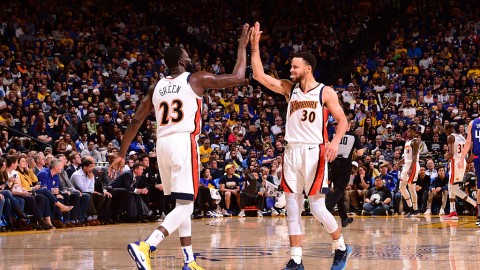

【BBC】FIFA World Cup 2026 HL Day 12
免责声明:足球比赛存在不确定性,分析仅供参考,不构成投注建议,理性观赛。
By [Your Name], Sports Writer
Introduction: More Than a Match, a Global Spectacle
Every four years, the FIFA World Cup transcends sport. It becomes a planetary festival—a collision of cultures, passions, and narratives that unfold in real time, beamed to billions of screens across every time zone. But watching a World Cup match live—not as a highlight reel, not as a morning-after digest, but as it happens—is a fundamentally different animal. The raw tension of a last-minute penalty, the roar of a stadium that shakes your speakers, the split-second VAR check that holds an entire nation’s breath—these moments cannot be replicated. This article breaks down everything you need to know about experiencing the World Cup live, from broadcast innovations to viewing strategies, and why the “live” element remains the heartbeat of football’s grandest stage.
The Evolution of Live Broadcasting – From Radio Waves to 8K HDR
The first World Cup radio transmissions in 1930 were crackly, delayed, and heard by a few thousand. Fast-forward to 2026, and live broadcasts are a technological marvel. Host broadcasters now deploy:
- Super-slow-motion cameras (up to 1,000 fps) that catch the faintest touch of a defender’s boot.
- Drone and cable-cam systems that offer cinematic bird’s-eye views of tactical formations.
- Player-tracking chips (embedded in adidas balls and shin guards) that feed real-time data—speed, distance, heart rate—directly into overlay graphics.
For the home viewer, the choice is staggering: 4K HDR, immersive 5.1 surround sound, and even “stadium ambient” audio channels that filter out commentary, letting you hear the chants, whistles, and the thud of the ball. In selected markets, broadcasters are trialing multi-angle streaming—you choose the goalkeeper’s view, the manager’s dugout angle, or a tactical “coach’s cam.”
Yet, amid all this tech, the core magic remains unchanged: you are witnessing history as it writes itself. No replay can capture the collective gasp of a missed penalty in the 90th minute—only live does that.
Where and How to Watch – Global Rights and Streaming Platforms
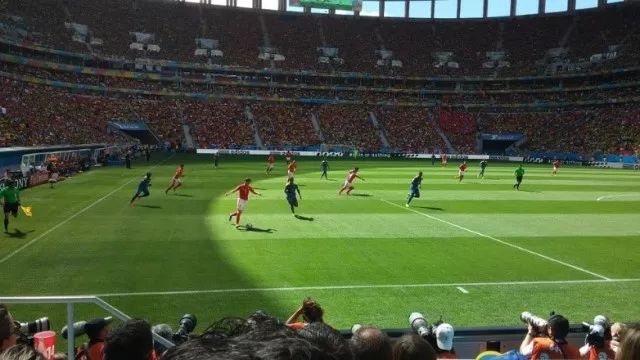
Live access depends on your region, but here is a snapshot of major official broadcasters for the 2026 edition (subject to final confirmations):
| Region | Primary Broadcaster | Streaming Option |
|---|---|---|
| USA | FOX Sports | FOX Sports app, Tubi (free select matches) |
| UK | BBC & ITV | BBC iPlayer, ITVX |
| Latin America | DirecTV Sports / Televisa | DirecTV Go, ViX+ |
| Europe | ARD/ZDF (Germany), TF1 (France), RAI (Italy) | Respective national apps |
| Asia | beIN Sports (MENA), Sony TEN (India), CCTV (China) | beIN CONNECT, SonyLIV, CCTV app |
| Sub-Saharan Africa | SuperSport | DStv Now |
Crucial tip for cord-cutters: Many official streaming services require a cable login or a paid subscription. However, FIFA’s own platform FIFA+ will stream a limited number of matches for free in select territories (often lower-profile group games). For the knockout rounds, ensure you have a stable internet connection—buffering during a shootout is a modern tragedy.
The Live Experience – Time Zones, Sleep Schedules, and Matchday Rituals
For most global fans, “live” means adjusting your body clock. The 2026 host (jointly USA, Canada, and Mexico) spans multiple time zones: Pacific (UTC-7), Central (UTC-5), and Eastern (UTC-4) during summer. A prime-time match in Los Angeles kicks off at 7 PM PT—that’s 4 AM in Paris, 10 AM in Beijing, and 2 AM in London. Live viewing becomes a commitment.
Veteran fans swear by these survival tactics:
- Pre-match nap – 90 minutes before kickoff can sustain you through extra time.
- Match-day meal – Time your dinner/breakfast to align with halftime (the 15-minute window is perfect for a quick refuel).
- Social sync – Use second-screen apps (Twitter/X, Reddit match threads) to amplify the communal feeling, even if you’re alone in your living room.
But the true live essence is unpredictability. A sudden rainstorm in the stadium, a pitch invasion, a controversial referee call that stops play for five minutes—these are not in the script. Live broadcasters must adapt, and so do you. That rawness is why millions still prefer a grainy, ad-filled live stream over a pristine 4K recording watched the next day.
Commentary and Analysis – The Voices That Shape Your Perception
Live commentary is an art form. In English, you have the poetic stylings of Martin Tyler, the tactical precision of Gary Neville, or the emotional cadence of Andrés Cantor (in Spanish). But broadcasters now offer alternative audio tracks:
- Tactical feed – Former coaches break down formations in real time.
- Fan feed – Enthusiastic supporters with unfiltered reactions (popular in Latin America).
- Sign language and audio description – For accessibility, a growing priority for FIFA.
Additionally, live data overlays have become sophisticated. You can toggle on heatmaps, passing networks, and expected goals (xG) charts during the match. For the analytically minded, this turns a 0-0 draw into a chess match of missed opportunities. But beware: over-reliance on stats can diminish the visceral joy of a sudden counter-attack. The author’s advice—watch the first half clean, then dive into data at halftime.
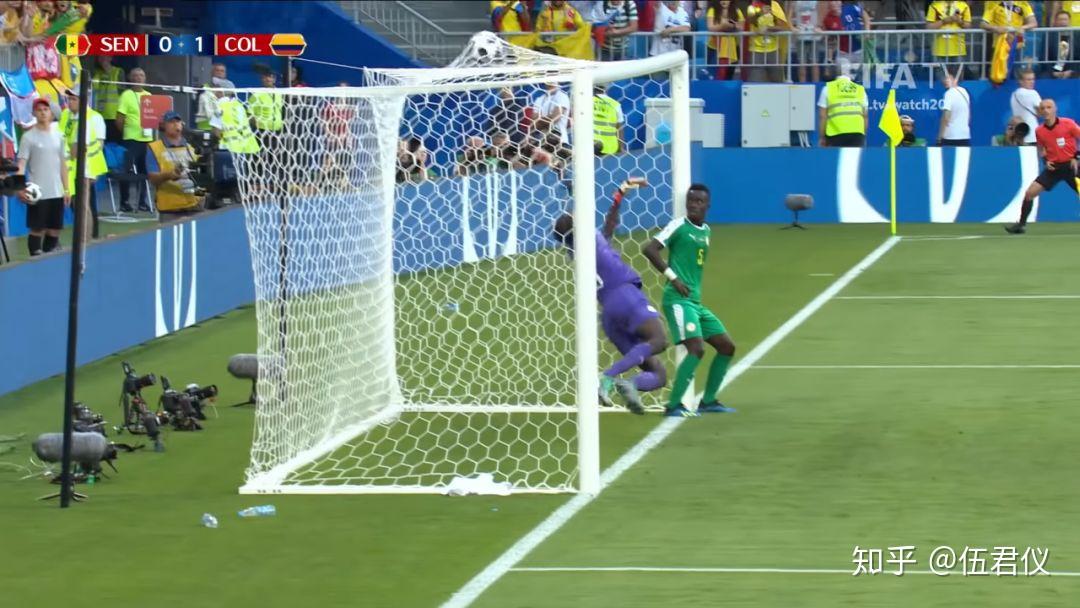
The VAR Factor – Watching Live with the “Video Assistant Referee”
No discussion of modern live viewing is complete without VAR. It has changed the rhythm of watching. Gone are the days of immediate celebration—now you pause, look at the referee’s ear piece, and wait for the dreaded “checking” graphic.
As a live viewer, you have an advantage over the stadium crowd: you see the same TV angles the VAR officials see, often faster than the on-field referee. This creates a unique second-screen engagement—fans on social media often spot offside pixels before the final decision. However, this also breeds frustration. The key is to embrace VAR as part of the drama. A overturned goal in the 88th minute is gut-wrenching, but it also births legendary memes and debates that last for years. That is the live paradox—technology intrudes, but it also deepens the narrative.
Beyond the 90 Minutes – Pre-Show, Halftime, and Post-Match Live Content
A live broadcast is not just the match. The pre-show (usually 45–60 minutes) features:
- Team lineups with animated formations.
- National anthem reactions – watch for player emotions.
- Pitch conditions and weather updates.
Halftime offers expert punditry, but also golden opportunities for live betting odds (if legally available) and fan polls. Many broadcasters now integrate live audience voting – “Was that a red card?” – which appears on screen.
The post-match live window is arguably the most candid. Interviews with devastated players, managers storming off, and the first raw reactions of the Man of the Match. This is where you see human fragility—tears, joy, anger—unfiltered. For a sports writer, these are the golden seconds that define a tournament’s legacy.
Social Media and Second-Screen – The New “Shared Live” Experience
In 2026, “watching live” almost always means “watching with a phone in hand.” Platforms like TikTok, X, and Instagram have become secondary stadiums. Live clips of key moments go viral within seconds. But be careful: spoilers are everywhere. If your stream is 30 seconds behind, you might see a goal notification on your watch before the ball hits the net.
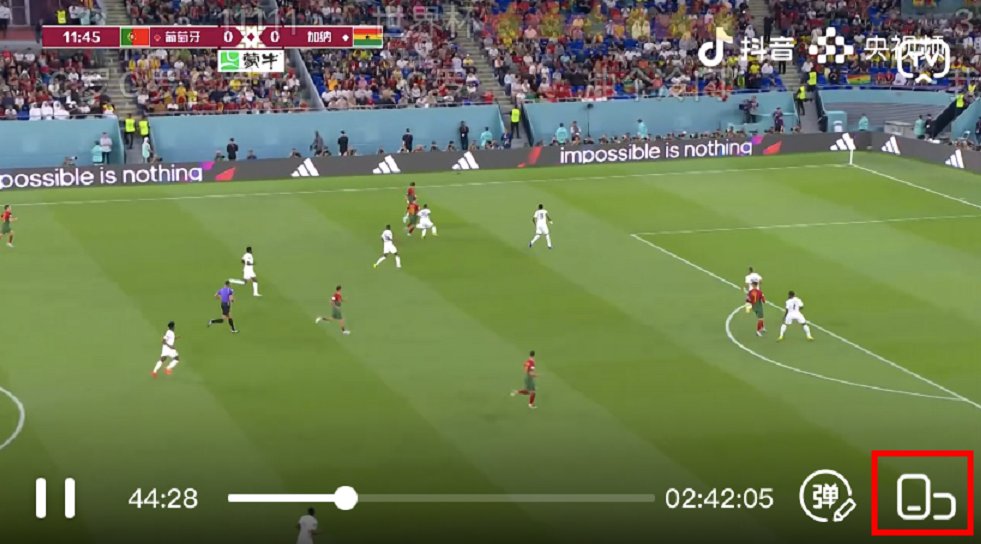
Pro tip: Delay notifications on all sports apps, or go full “digital dark” for matches you truly care about. Alternatively, embrace the chaos—follow official FIFA hashtags and live blogs that provide contextual commentary without ruining the surprise.
The Future – Immersive and Interactive Live Broadcasts
Looking ahead, the 2026 World Cup is testing volumetric video – a 360-degree replay that lets you rotate the angle of a goal as if you were standing on the pitch. Also, AI-generated real-time subtitles in over 50 languages will appear during press conferences, making every interview accessible globally.
But the biggest leap is interactive live choices – some platforms allow viewers to select which player to follow throughout the match. Want to watch only Kylian Mbappé’s runs off the ball? You can. This personalization is the next frontier, though purists argue it fragments the collective experience.
Practical Checklist for the Ultimate Live Viewing Night
- ✅ Test your internet speed – minimum 25 Mbps for 4K streaming.
- ✅ Have backup devices – if your smart TV lags, switch to a tablet or laptop.
- ✅ Charge all remotes and headphones – nothing kills the mood like a dead battery.
- ✅ Prepare snacks that are silent – no crunchy chips during decisive free-kicks (learned from experience).
- ✅ Mute group chats – unless you enjoy spoilers from faster feeds.
- ✅ Check local kickoff time twice – time zone confusion is a classic rookie error.
Conclusion – Why Live Still Matters
In an age of on-demand everything, the World Cup remains stubbornly, beautifully live. Because a goal scored at 2:23 AM in your time zone, witnessed simultaneously by a bartender in Buenos Aires, a schoolteacher in Seoul, and a taxi driver in Lagos—that shared second of global emotion cannot be compressed into a 3-minute highlight. It is irrational, exhausting, and occasionally heartbreaking. But that is precisely why we tune in. We don’t just watch the World Cup. We live it.
So pick your broadcaster, set your alarm, brew your coffee (or pour your beer), and remember: in 90 minutes, a new story will be written. And you—along with billions—will be there to see it first.
Enjoy the beautiful game. And always, always watch responsibly.